April 26, 2025
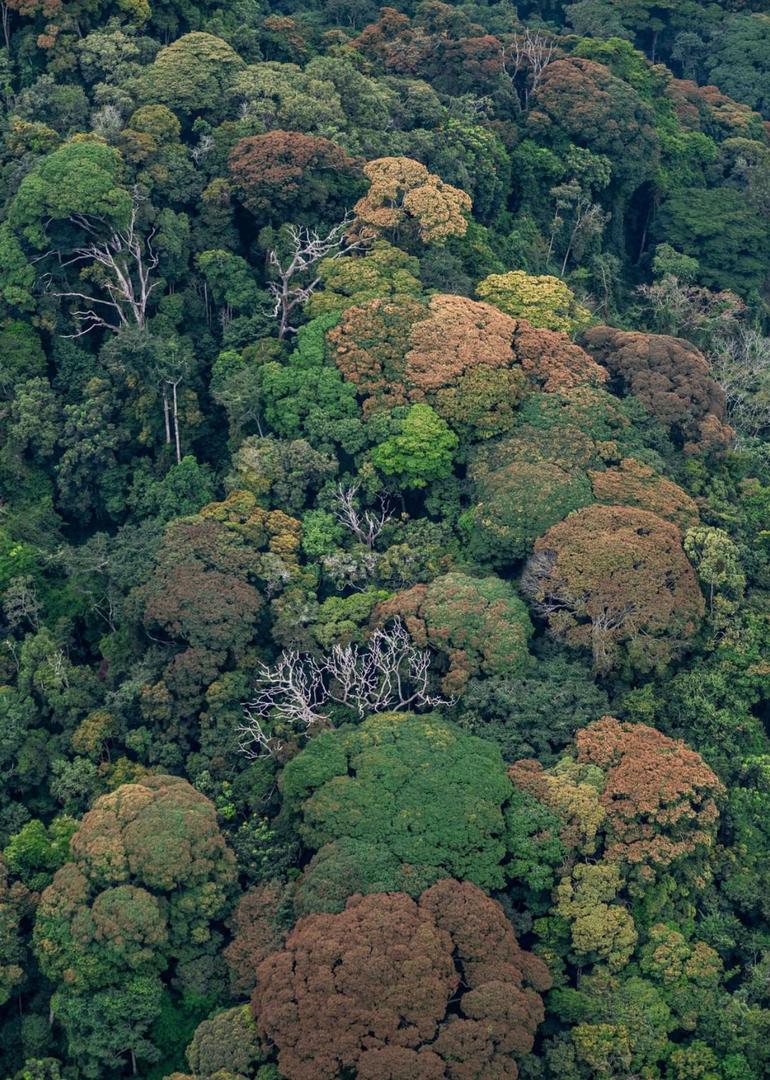
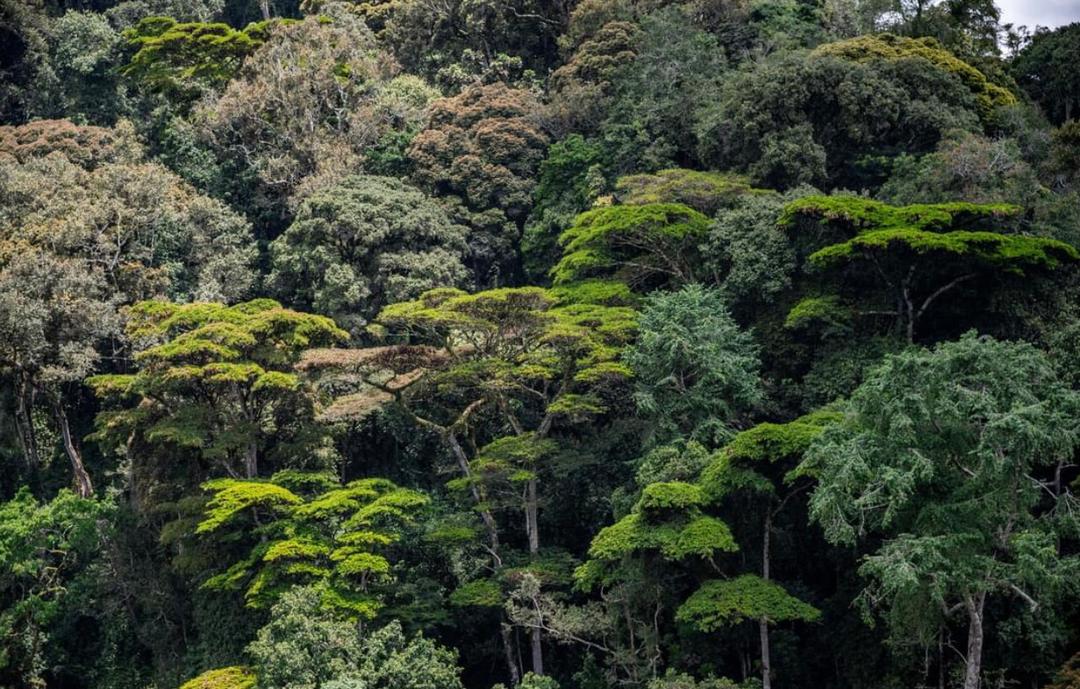
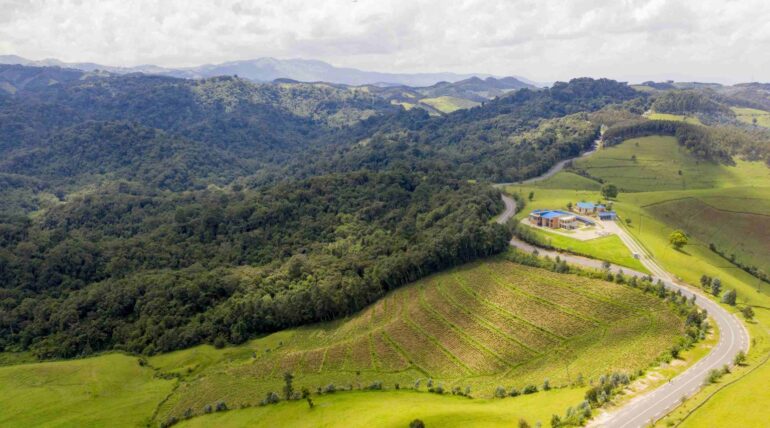
Gishwati Forest is located in the western part of Rwanda, 25 kilometers south of Gisenyi, an estimated 10 kilometers walk from Lake Kivu and 167 kilometers from Kigali. This forest lost 98% of its original land cover in the early 2000s, but it has been significantly restored, its biodiversity is preserved, and it has local community support. In 2016, Gishwati Forest was declared a National Park by the Rwanda Development Board (RDB), and in 2020, it gained recognition as part of a UNESCO Biosphere Reserve, Gishwati-Mukura Landscape. This patch of forest of 1,570 hectares is home to primates and a variety of birds, some of them endemic to the Albertine Rift Region.
The Albertine Rift stretches over 1,000 kilometers, from the northern tip of Lake Albert to the southern tip of Lake Tanganyika, crossing the borders of the Democratic Republic of Congo, Rwanda, Burundi, Uganda, Tanzania, and Zambia. The topography of the Albertine Rift is characterized by mountains that support Afromontane and sub-montane forests and grassland ecosystems. The unique position of the Albertine Rift contributed to the evolution of endemic flora and fauna including Mountain Gorillas, other primates, and exceptional birds.
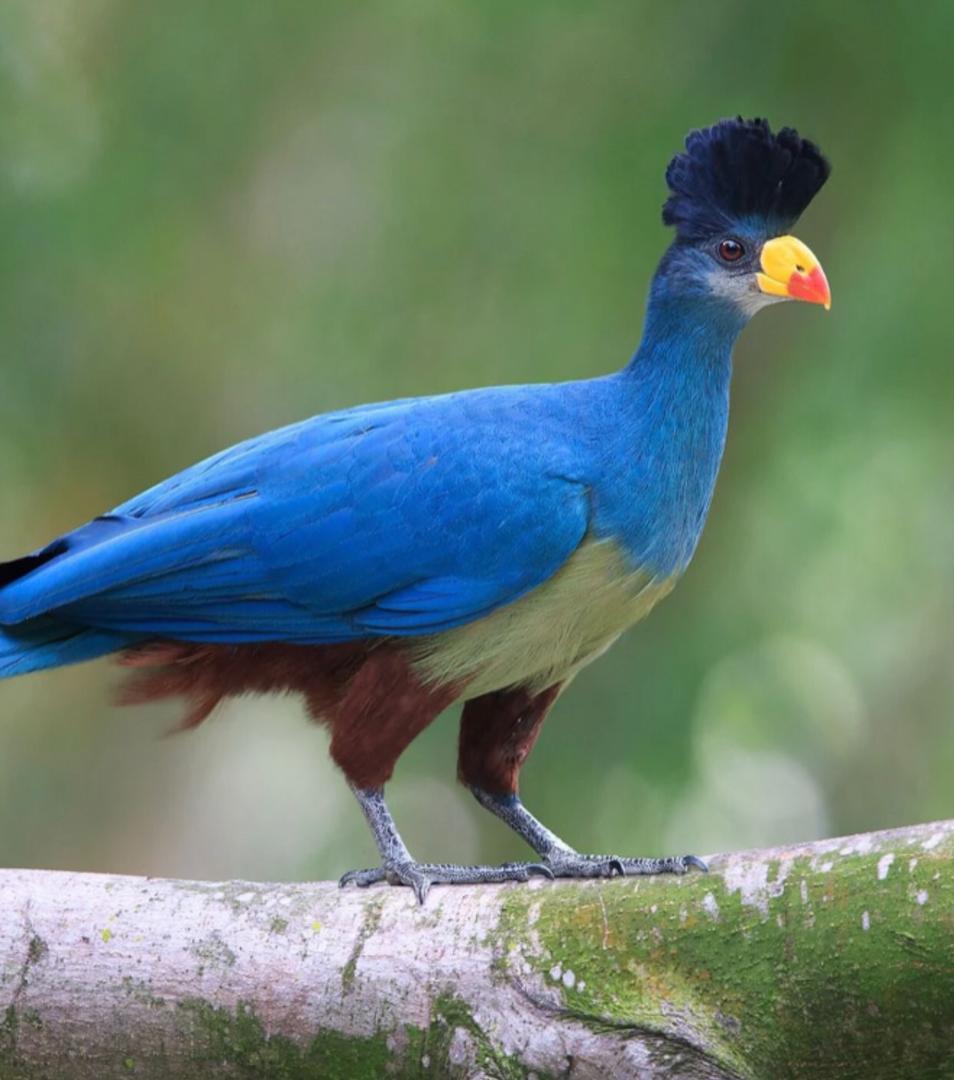
Gishwati Forest gives birdwatchers the opportunity to spot over 232 different bird species, including some endemics such as:
Regal Sunbird

The Regal Sunbird, characterized by its vertical red breast stripe, is common in highland forests, including edges and clearings at 1600-3000 masl but mainly above 1800 masl. The bird has a variety of songs; one is a continuing twittering punctuated by frequent explosive sparrow-like chirps; another is a hissing high-pitched, rapidly delivered flourish.
Spotted in the Birdwatching Trail-Gishwati Forest
Blue-headed Sunbird

The Blue-headed Sunbird has an iridescent dark blue with a violet sheen head, throat, and upper breast, complemented by a dark saffron-olive mantle, blackish bell, and bright red eyes. This bird is endemic to Mountains along the Albertine Rift, and it can be spotted in montane forests at 1400-2700 masl as a visitor to flowers. Its call is often given in flight, and the song is long, loud, and rolling with a split series.
Spotted in the Birdwatching Trail-Gishwati Forest
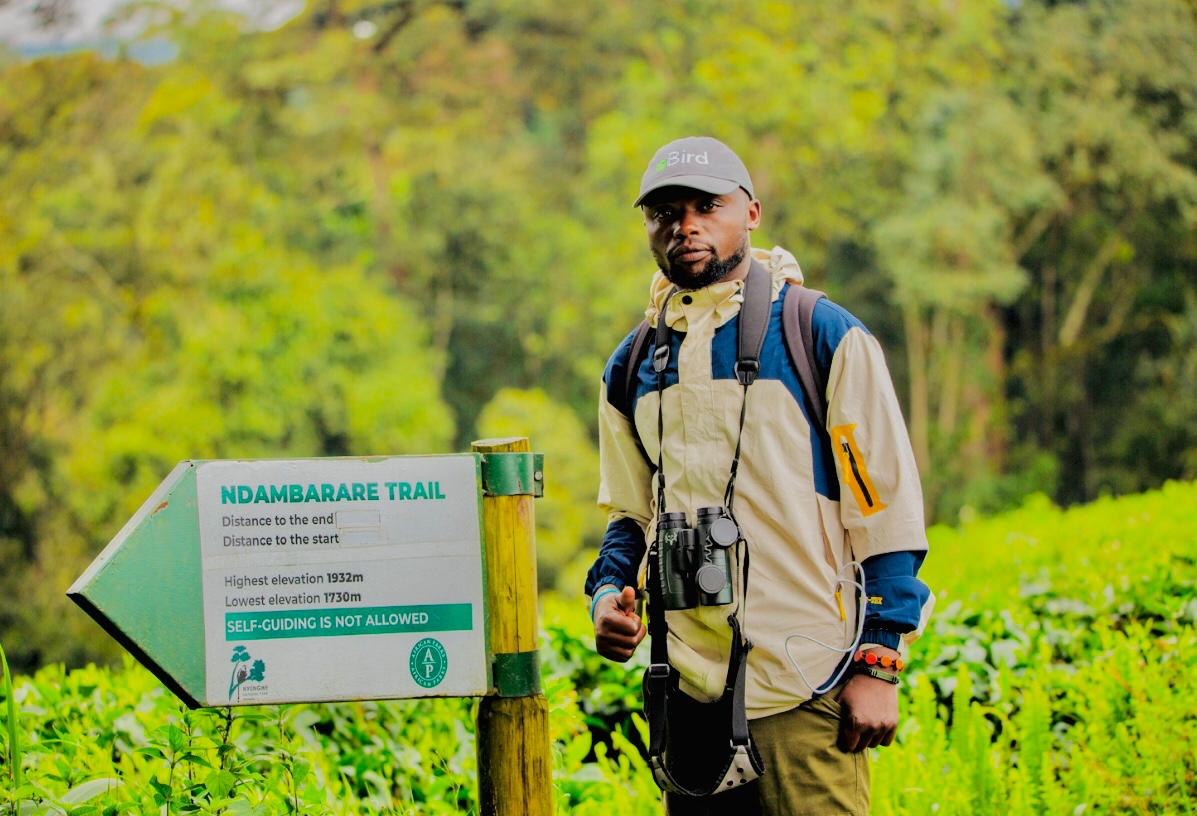
Spotting birds in Gishwati’s montane rainforest by sight has its challenges. For example, birds living in the understory will use the thick forest of bushes and trees to hide. This means that birdwatchers will need to know the calls to identify the bird, making the experience doubly hard but at the same time exciting.
As birders get deeper into the forest in the morning, many calls and songs will start happening simultaneously. Only the Specialized Guide and best hearing skills will help to differentiate the different calls and will guide birdwatchers to spot the bird that they are looking for. Some endemic species to the Albertine Rift that require to overcome these challenges include:
Rwenzori Batis

The Rwenzori Batis, known for its very broad black breast-band and yellow eyes in males and red eyes in females, is common in forests above 1350m with a preference for undergrowth and mid-level tangles. Male song is a regular mid-range mournful piping and female often responds with quick rasps.
Spotted in the Birdwatching Trail-Gishwati Forest
Rwenzori Hill Babbler / African Hill Babbler

This bird has an all-black head, a black face, and a black-streaked throat. It is commonly found in highland forests in fangled vines and undergrowth at 1500-3000 masl. The song is a variety of repeated thrush-like rich floaty warbles, but notes are often together.
Spotted in the Birdwatching Trail-Gishwati Forest
Archer’s Robin-Chat /Archer’s Ground Robin

Archer’s Robin-Chat is mostly orange-brown with a narrow white supercilium and a small dark face, orange-rufous head, and underparts contrast with browner wings with a rufous tail. This bird is endemic to Mountains along the Albertine Rift at 1.600 – 4.000 masl. Commonly found in forest undergrowth and nearby thickly vegetated stream sides. The song is strongly delivered rising and falling in which individual notes are difficult to distinguish but overall feel is uniquely tinny and metalic .
Spotted in the Birdwatching Trail-Gishwati Forest
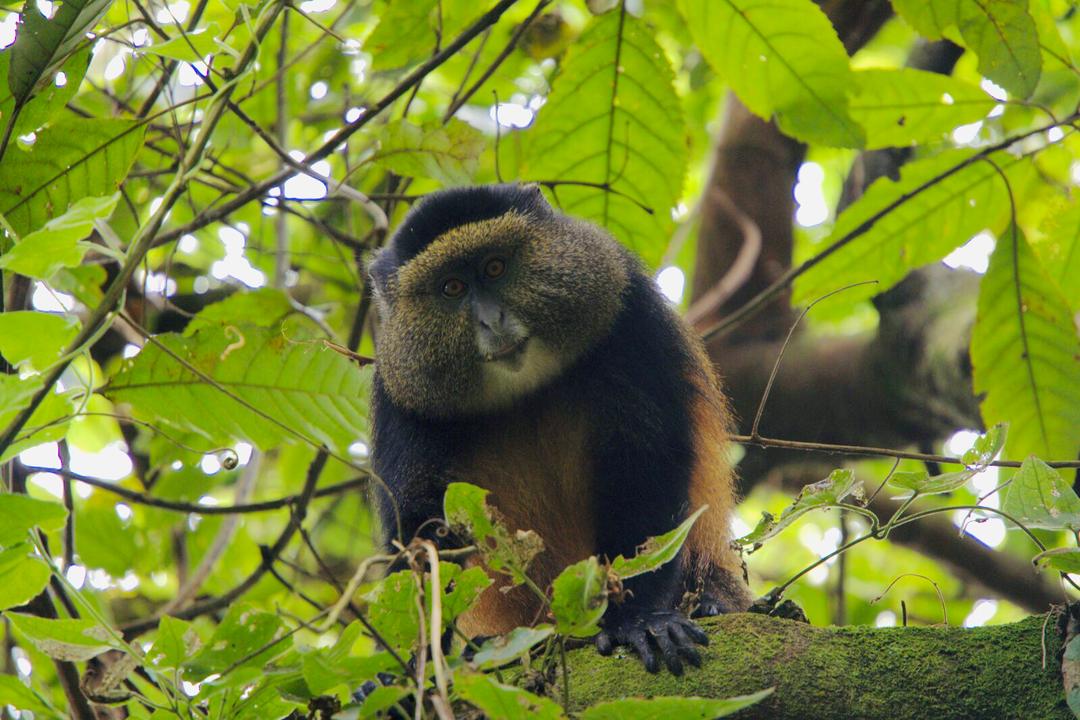
In addition to an amazing bird-watching adventure, Gishwati Forest offers visitors a whole forest experience. Visitors may cross a family of Mountain Monkeys in the area, hear the Chimpanzee’s calls from a distance, or track Golden Monkeys. For those who enjoy hiking, Kazeneza waterfall will provide a relaxing view of clean waters and the viewpoint trail will offer a panoramic view of the whole landscape from the highest place in the park
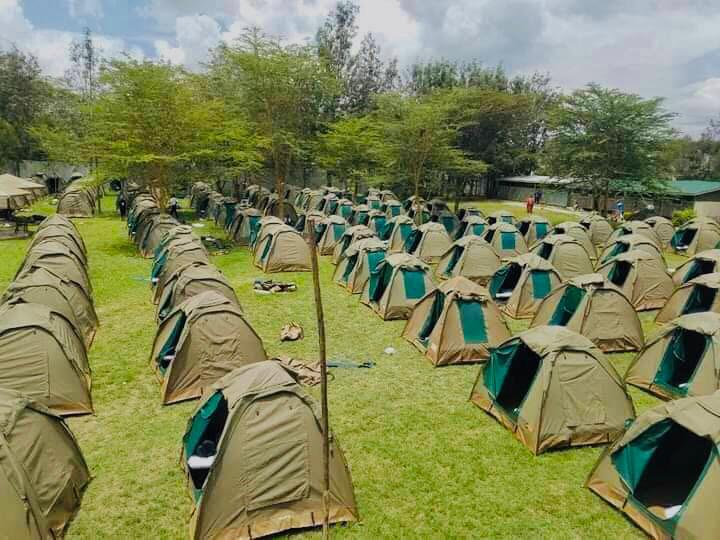
To visit Gishwati Forest of the Gishwati-Mukura National Park, it is a requirement to stay at the Forest of Hope Guest House and Camp Site. Each visit proceeds contribute to the restoration, protection, and conservation of the park’s diverse flora and fauna and the upliftment of its surrounding communities.